Table of Content
You may have seen oxygen concentrators for sale online without a prescription. At this time, the FDA has not approved or cleared any oxygen concentrators to be sold or used without a prescription. One way to get extra oxygen into the body is by using an oxygen concentrator.
The online retailer Oxygen Concentrator Store states that its range of home oxygen concentrators generally costs between $600 and $2,500. If you need high-volume or high-pressure home oxygen therapy, you may want to look into 10-liter home oxygen concentrators rather than 5-liter machines. A home oxygen concentrator is not the same as an oxygen tank for home use.
Don’t
Do not make changes to the oxygen levels on your own. Before you can use home oxygen equipment, your provider needs to diagnose you with a disease that requires oxygen therapy, then write you a prescription. Follow your provider’s prescription exactly and continue checking oxygen levels at home. You should not use an oxygen concentrator at home unless it has been prescribed by a health care provider. Giving yourself oxygen without talking to a doctor first may do more harm than good.
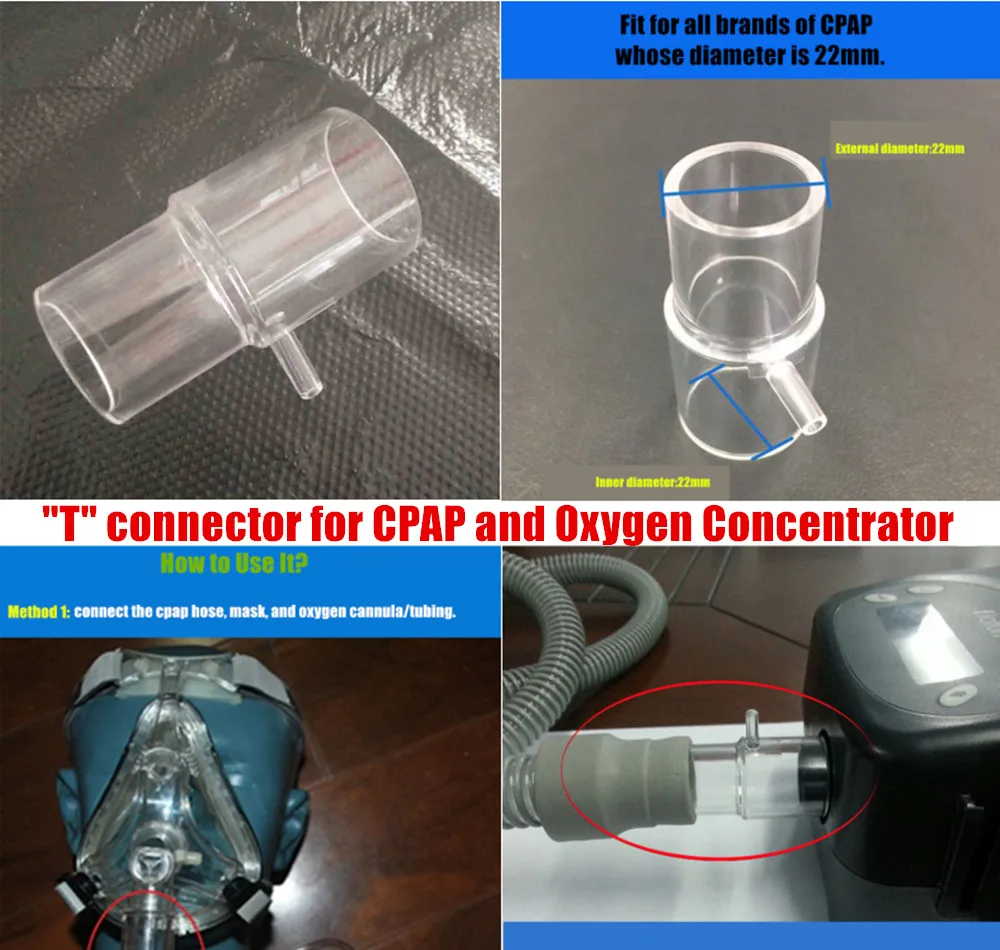
When it comes out, the liquid converts to a gas right away so you can breathe it in. A tank can weigh more than 100 pounds, and you need to refill it every few weeks. Take breaths as you normally would, allowing the machine to supplement your oxygen. Use the machine for as long as your doctor recommends. The oxygen adaptor fits into the outlet on your machine that you would typically use for a humidification bottle. You just need to fit the larger side of the adaptor into the outlet.
Related MedlinePlus Health Topics
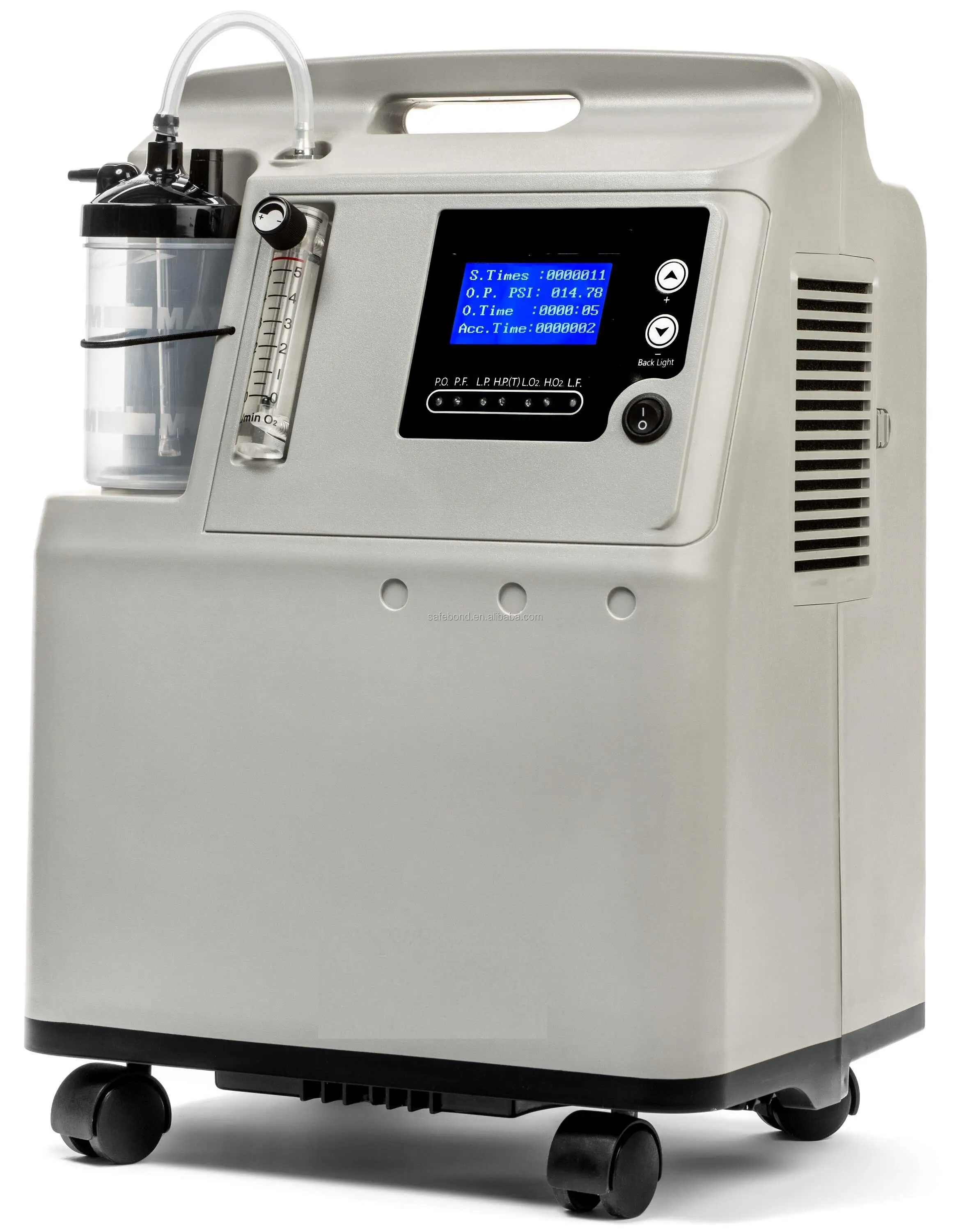
Concentrators are different than tanks or other containers supplying oxygen because they use electrical pumps to concentrate the continuous supply of oxygen that comes from the surrounding air. Oxygen concentrators take in air from the room and filter out nitrogen. The process provides the higher amounts of oxygen needed for oxygen therapy.
After 36 months, the supplier must continue maintaining and furnishing your home oxygen equipment for as long as you need, up to five years. After you’ve met your Medicare Part B deductible, you’ll pay 20% of the approved amount for any home oxygen equipment you rent. If you meet these criteria, Medicare Part B will cover your home oxygen concentrator, as well as additional supplies such as tubing to help deliver the oxygen. A loud home oxygen system may be disruptive to some people, especially if they use it while sleeping.
Does Medicare cover home oxygen concentrators?
Oxygen concentrators are used when you need oxygen for longer periods of time. When you request to see internet pricing from the Oxygen Concentrator Store website, you are required to give your phone number. When we submitted our phone number, we were contacted within a few hours. The representative we spoke with was friendly and courteous, and they gave us thorough and in-depth answers to our questions. They were eager to help us make the right decision and wanted to ensure we were informed and prepared before making a final purchase.
There are small portable oxygen cylinders you can take out with you if you need them. They will best understand your health needs, as well as any other needs and concerns you may have. The best home oxygen concentrator for your needs will depend on a variety of factors. There are multiple options to choose from, and each brand and model has its own benefits and drawbacks. Most home oxygen concentrators cost between approximately $700 and $1,900, excluding taxes and shipping. The cost may be lower if you are using Medicare or insurance to help pay for your home oxygen machine.
Some people might get relief from using oxygen when they are short of breath but it does not help everyone. A handheld fan which directs cold air against the face might also be very helpful. If you use Medicare to cover your home oxygen equipment, you’ll be able to rent the equipment from a supplier for 36 months.

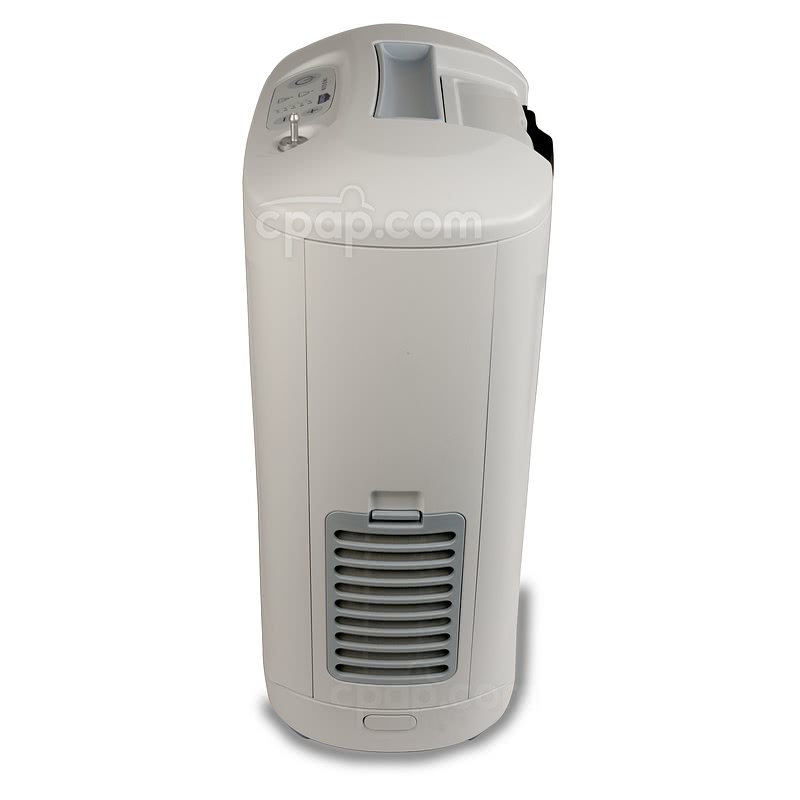
Find out if you really need oxygen therapy by checking with your health care provider. If you do, your health care provider can determine how much oxygen you should take and for how long. Unlike portable oxygen concentrators, home oxygen concentrators are designed to stay in one place and are sometimes called stationary oxygen concentrators. This machine has a motor and runs on electricity or sometimes batteries. It takes in regular air and filters out other gases to get the oxygen. It weighs about 50 pounds and usually has wheels so you can move about while you’re hooked up to it.
As an innovator of oxygen technology and portable oxygen equipment, we believe it is important to present sound, evidence-based data to support the use of our oxygen therapy devices. We have completed and published numerous reports focused on clinical data supporting the Inogen One oxygen system. TUHS neither provides nor controls the provision of health care. All health care is provided by its member organizations or independent health care providers affiliated with TUHS member organizations.
Many people receive an oxygen concentrator for home oxygen therapy. This machine can reside in a discreet corner and deliver oxygen to your nose through a long tube that can reach throughout the home. For this surgery, your doctor inserts a small plastic tube called a catheter through your neck just below your Adam’s apple and into your windpipe. You can’t see the catheter if your shirt is buttoned to the top.
If you don’t use a humidification bottle, you will use an oxygen adaptor, also called a Christmas tree adaptor, to attach your tubes. It looks similar to a tiny funnel, with one large end and one pointy end. You will likely be prescribed a humidification bottle if your doctor prescribes you an oxygen flow rate greater than 2-3 liters per minute .




No comments:
Post a Comment