Table of Content
Single-use night bags are usually used to reduce the risk of infection. However, this should not put district nursing teams off the notion, as either of these changes can improve the patient's quality of life. Urethral/meatal discomfort can be caused by changes in the urethra from having a catheter in situ or from changes in the body.
This is the liquid that you will send through the catheter. Your healthcare provider will tell you what kind to use and how much to use. In some cases, you may also need to flush with a heparin solution after the saline. It helps prevent blood from clotting in and around the catheter. You can empty your bladder every 4 to 6 hours, or as your doctor recommends.
Call your primary health care provider if any of the following occurs:
Catheters work via gravity - urine cannot drain "uphill." If the patient is male, hold the penis and insert the catheter into the urethral opening. Hold the penis in your non-dominant hand and gently pull upward, perpendicular to the patient's body. Insert the tip of the catheter into the patient's urethra with your dominant hand. The patient's legs should be spread and their feet should be together. Lying in a supine position relaxes the bladder and urethra, facilitating easier catheter insertion.

Take note of the urine’s color, smell and amount. Urine should be clear and have a light yellow color with a mild smell. If you’re supposed to keep track of your urine output, write down the amount, along with the current date and time.
How to Insert a Male Catheter
You should always remove the catheter as soon as you are done urinating, as leaving the catheter in can cause urinary tract issues. To remove the catheter, pinch the top closed with your dominant hand and slowly pull out the catheter. Keep the end of the catheter facing upward so no urine drips or dribbles out.
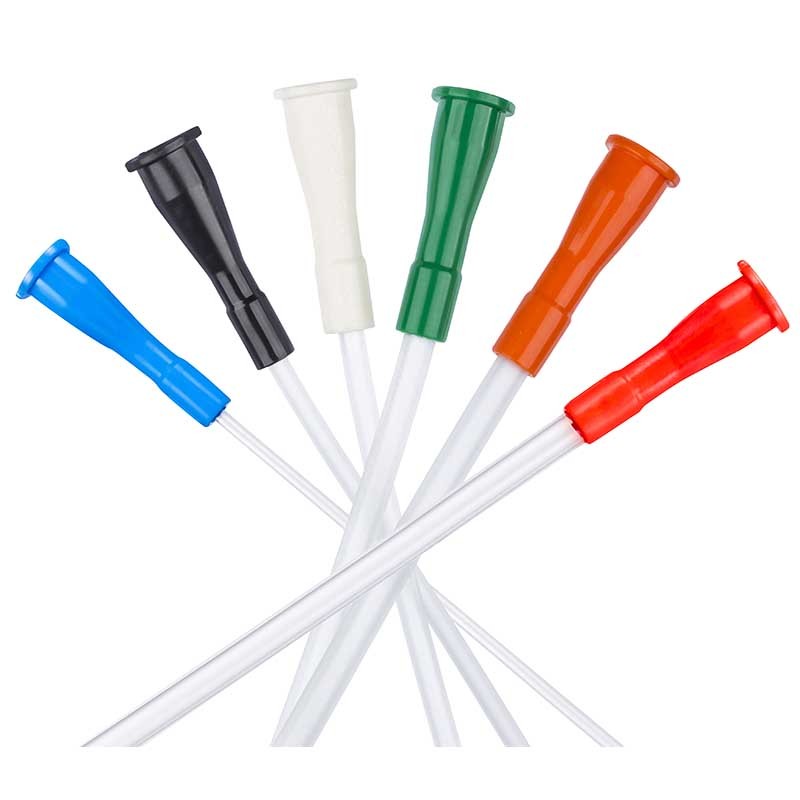
A small balloon filled with sterile water is placed inside your bladder to hold the catheter in place. At night, you'll need to attach a larger bag. Your night bag should either be attached to your leg bag or to the catheter valve. It should be placed on a stand next to your bed, near the floor, to collect urine as you sleep.
Where can you learn more?
If a catheter bag is allowed to become full, it pulls and drags on the catheter and can cause pain , especially if it is allowed to occur frequently. Regular emptying of the bag before it becomes full will prevent this, but the use of a catheter securement device should also be considered. If a patient relies on others to empty their catheter bag, a catheter securement device will help prevent the catheter being pulled or put under traction, even when it is full. When changing a catheter, suitable catheter insertion gels should always be used; these are important for reducing risks and should be used with both men and women .
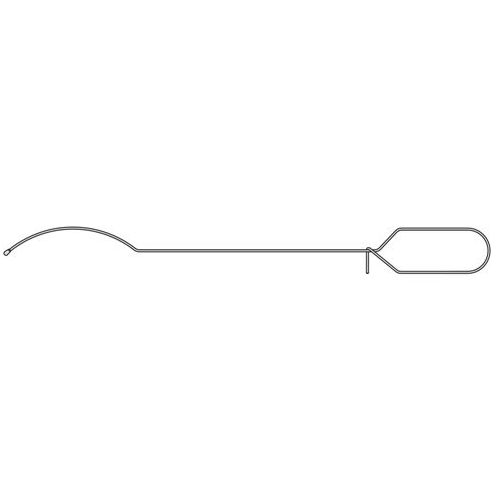
Dehydration can quickly lead to strong or concentrated urine, which along with a low urine output, can be a cause of catheter blockages . Ansell T, Harari D. Urinary catheter-related visits to the emergency department and implications for community services. Basics of Clean Intermittent Catheterization Intermittent catheterization can seem overwhelming, especially when you’re new to it.
In addition to these self-catheterization tips, 180 Medical is glad to offer the support and resources you need. Plus, we provide world-class customer service while providing the insurance-covered catheters you need quickly and on time. Coudé insertion tips are available in straight catheters as well as hydrophilic coudé catheter and coudé closed system catheter options. On the other hand, some people prefer using pre-lubricated catheters to cut out the extra steps.
A urinary catheter is inserted into the urethra and is used to treat a variety of abnormalities, including incontinence and difficulty in passing urine. This is a difficult procedure that requires care in the handling and cleaning of the urinary catheter. Catheter Passports are becoming more frequently used. A patient can take it with them, and, if they are admitted to hospital or have to be seen in the emergency department, they will have the relevant information to hand. A full catheter bag can put pressure on the catheter and can cause complications.
If you’re not using prefilled syringes, fill the syringe with the solution as you were shown. Alcohol wipes or rubbing alcohol and cotton balls. You’ll use these to clean the end of the catheter . This helps prevent germs from going into your catheter. Add a few drops of soap to 1 cup of water in a clean container. A clean towel or paper towels for drying the catheter.

You want to cover the first seven to ten inches of the catheter with the jelly. This will make the insertion less uncomfortable. Make sure you wash the head of your penis and the urinary meatus, which is the small opening where your urine comes out. You may also decide to stand in front of the toilet if it is comfortable for you to reach down and hold your penis.
To keep your catheter clean, what you can do is store it in a zipper mesh laundry bag and then store it in a clean jar. If you want to store your catheter for a long period of time, you can also purchase a catheter cleaning kit. To sterilize a catheter, add hydrogen peroxide to warm water and mix it together.





No comments:
Post a Comment